

The Art of Emotional Decluttering
Emotional decluttering is often the first step toward meaningful home organizing.

Emotional decluttering Vaughan (Grief)
Across Vaughan, Toronto and the Greater Toronto Area, many homeowners realize that clutter is not just physical — it’s emotional.
What to Keep, Donate, or Release After Life Changes
Life changes — a new job, a move, the end of a relationship, becoming a parent, financial shifts, or stepping into a new season of growth — don’t just rearrange your schedule.
They rearrange your inner world.
And just like our homes, our emotional spaces can become cluttered.
Emotional decluttering is the intentional process of deciding what feelings, habits, memories, and attachments still serve you — and what is quietly taking up space.
This isn’t about becoming cold or detached.
It’s about becoming aligned.
Across Vaughan, Toronto, and the Greater Toronto Area, many people begin searching for home organizing near me or professional decluttering services during major life transitions. Not just because their closets or garages are full — but because something feels heavy.
Clutter is rarely just physical.
It’s emotional.
In This Article:
Why Emotional Decluttering Matters
What to Keep
What to Donate
What to Release
A Simple Emotional Reset
Final Reflection
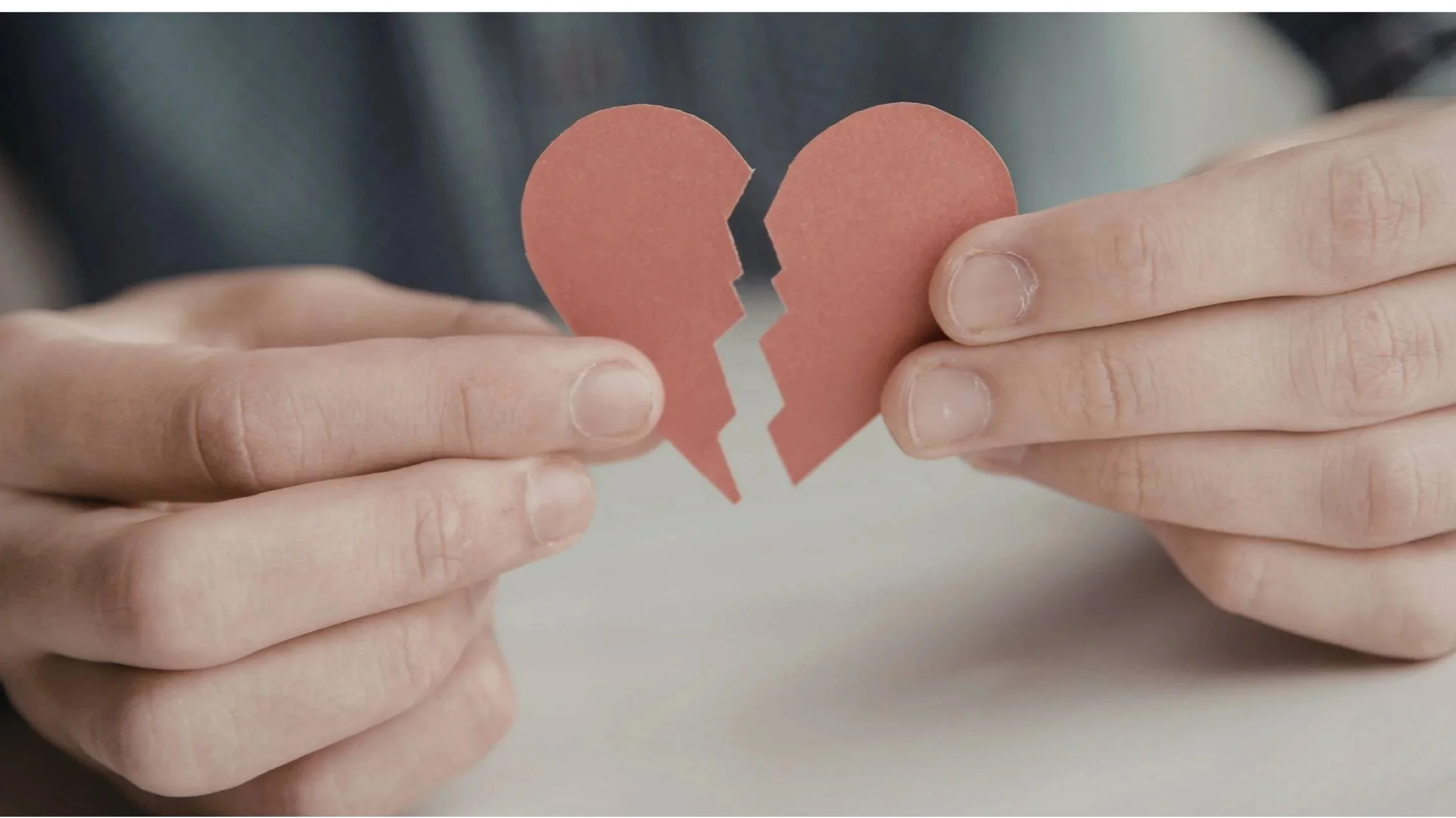
Decluttering for breakup or divorce
When you go through change, your nervous system stores experiences.
Some are empowering.
Some are protective.
Some are outdated survival responses.
If you don’t consciously sort through them, you may carry:
Old guilt into new opportunities
Old fears into new relationships
Old identities into new roles
Old disappointments into fresh beginnings
Emotional clutter shows up as:
Overthinking
Fatigue without clear reason
Reactivity
Avoidance
Feeling heavy even when things are going well
This is why home organizing and emotional clarity are deeply connected.
When your space is chaotic, your mind rarely feels calm.
When your environment supports your current life, your nervous system relaxes.
What to Keep
Not everything from your past needs to be released. Some things are anchors.
1. Lessons (Not the Pain)
Keep the wisdom, not the wound.
Ask:
What did this season teach me?
Where did I grow stronger?
What boundaries did I learn to set?
Pain fades. Insight strengthens you.
2. Core Values
Life transitions clarify what truly matters.
Keep:
Integrity
Compassion
Work ethic
Financial responsibility
Health habits
Creativity
Faith or reflection
Your values are your emotional foundation — just like good systems are the foundation of an organized home.
3. Supportive Relationships
After change, you see who stands steady.
Keep:
People who respect your growth
Those who encourage without controlling
Those who celebrate your wins
Growth requires safe emotional containers.
4. Grounding Routines
Even when everything shifts, daily rituals stabilize you.
Keep:
Movement
Journaling
Planning time
Financial tracking
Meditation or prayer
In professional home organizing across the GTA, we often start by rebuilding simple routines. Stability begins with small, consistent actions.
What to Donate (Repurpose)
Some patterns are not wrong — they’re simply outdated.
1. Old Roles
Were you:
The fixer?
The over-giver?
The peacekeeper?
The one who never asked for help?
You may not need to carry that identity anymore.
You can “donate” it by:
Teaching others what you’ve learned
Setting healthier boundaries
Choosing balanced giving
Protection is different from alignment.
2. Survival Strategies
You may have developed:
Hyper-independence
People-pleasing
Overworking
Emotional shutdown
These strategies once helped you.
But what protected you before may now limit you.
Thank them. Then evolve.
3. Physical Items Tied to Old Energy
Physical clutter carries emotional weight.
Whether it’s closet overflow, unused storage, or a garage filled with “just in case” items, ask:
Does this represent who I was — or who I am becoming?
Does this inspire strength or trigger regret?
Am I keeping this from fear or from love?
Professional home organizing in Vaughan and Toronto often begins here — helping clients make confident decisions without guilt.
Not everything must be thrown away.
But some things can be donated, stored intentionally, or released with gratitude.
What to Release
This is where courage lives.
1. Outdated Identity
After life changes, you are not the same person.
Release:
“I’m not good enough.”
“I always struggle.”
“I never get chosen.”
“This is just how it is for me.”
These are stories — not destiny.
2. Guilt That Isn’t Yours
You are allowed to:
Change direction
Outgrow environments
Choose stability
Want more
Choose peace
Growth may disappoint others.
That does not make it wrong.
3. Attachment to “What Should Have Been”
Grief is real.
But attachment to the imagined future can block the real one forming in front of you.
Release:
The timeline you expected
The version of someone you hoped they’d become
The business plan that no longer fits
The career path that once made sense
Let reality breathe.
4. Resentment
Resentment quietly consumes energy.
It keeps you emotionally tethered to what you’re trying to move beyond.
Forgiveness is not approval.
It is freedom.

Lost job Decluttering
A Simple Emotional Decluttering Reset
You can begin today.
Step 1: Create three columns:
Keep
Donate
Release
Step 2: List:
Beliefs
Habits
Relationships
Objects
Goals
Fears
Step 3: Take one physical action:
Donate one item.
Clear one drawer.
Delete one old contact.
Rewrite one limiting belief.
Small physical actions reinforce emotional decisions.
This is why decluttering services across the GTA focus on both systems and mindset. Organization is not just visual. It is neurological.

life transition organizing
Final Reflection
After any life change, ask yourself:
Who am I becoming?
What version of me needs more space?
What weight am I still carrying out of habit?
What would alignment feel like right now?
Your life evolves in seasons.
So should your emotional inventory.
When you release what no longer fits, you don’t lose parts of yourself.
You create room for clarity.
And when your inner world feels lighter, your outer space naturally follows.
This blog is written from the perspective of a professional home organizer providing home organizing and decluttering services in Vaughan, Toronto, and the Greater Toronto Area (GTA). While emotional decluttering is often connected to home organization, this content is for educational and informational purposes only. It is not intended to replace advice from a licensed psychotherapist, psychologist, or healthcare professional. If you require mental health support, please consult a qualified medical or mental health provider.
Create Space for Your Next Chapter
If this resonated with you, it may be time to look at your space differently.
Emotional decluttering is often the first step toward meaningful home organizing. When your home reflects who you are today — not who you used to be — everything feels lighter.
If you're considering professional home organizing in Vaughan, Toronto, or anywhere in the Greater Toronto Area, we’d be honored to support you.
Explore our services or contact us to begin your reset.
